Disappearing Professions in Urban India
September 13, 2011 to September 22, 2011
Gallery Sumukha
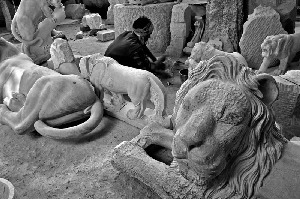
JaipurClare Arni
Photograph on Arhival paper
17 x 24 in
2011
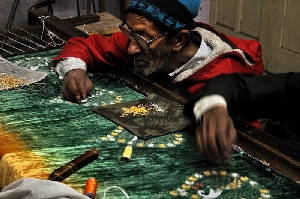
JaipurClare Arni
Photograph on Archival paper
17 x 24 in
2011

JaipurClare Arni
Photograph on Arhival paper
17 x 24 in
2011

MumbaiClare Arni
Photograph on Archival paper
35 x 28 in
2011

MumbaiClare Arni
Photograph on Archival paper
17 x 24 in
2011

MumbaiClare Arni
Photograph on Archival paper
17 x 24 in
2011

GoaClare Arni
Photograph on Archival paper
17 x 24 in
2011
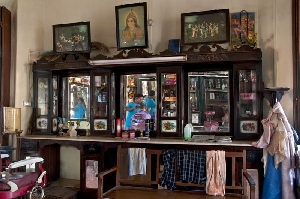
GoaClare Arni
Photograph on Archival paper
17 x 24 in
2011
The recent economic growth in India, much documented across the world, is changing the country and particularly its cities. Malls and chain stores are replacing the smaller stores. Technology, mechanisation and large firms producing cheaper goods are marginalising the specialist, the craftsman and the alternative. Clare Arni has been documenting these disappearing professions in Bangalore, Delhi, Kolkata and Chennai, during this story of rapid development.
She began by photographing those vanishing trades that were traditionally associated with the city. In Delhi those who served the Moghul court like the attar producer and the miniature artist; Bangalore’s silk trade; Chennai’s shrinking film studios and in Kolkata the piano tuner, auctioneer and the Chinese cobbler that were examples of its multi ethnic history.
In photographing these professions she also explored how sometimes the trades have tried to find ways to adapt to survive, like the calligrapher scribing letterheads because computers can’t yet produce Urdu script. In each city she also examined the broader trades disappearing in urban India: the brass tinner, the signboard painter and the water seller – some of which have since disappeared from the cities she photographed.
Looking across the cities the exhibition paints the picture of a new landscape forming in India. One that in the liberalised economy seems to offer better work and more choice of goods but in the process is losing its variety of skills. The passionate producer is being squeezed out of the market and replaced by sales personnel who have no hand in the making. Ultimately the exhibition explores how the customer in the end gets less choice, the opportunities for jobs are narrowed and so the rich tapestry will become only a conglomerate’s idea of monochromatic profit.