Vidya Bhushan
August 08, 2025 to August 29, 2025
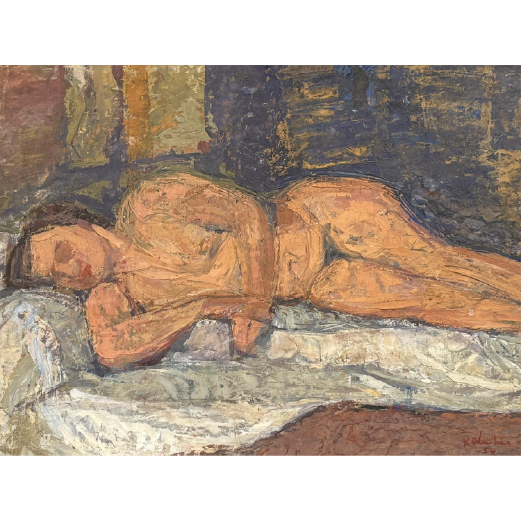
Reclining NudeVidya Bhushan
Egg Tempera on paper
1954
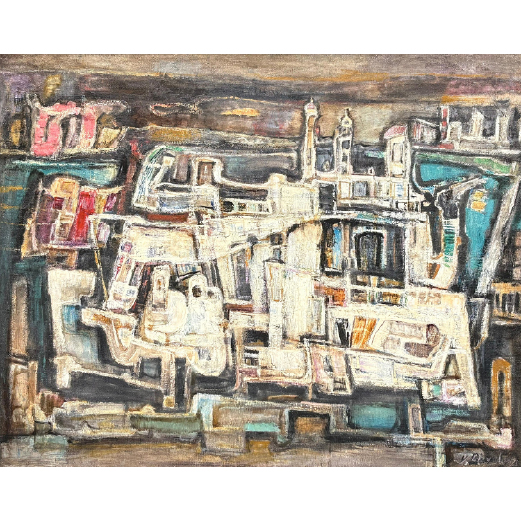
CityscapeVidya Bhushan
Oil on canvas
1950
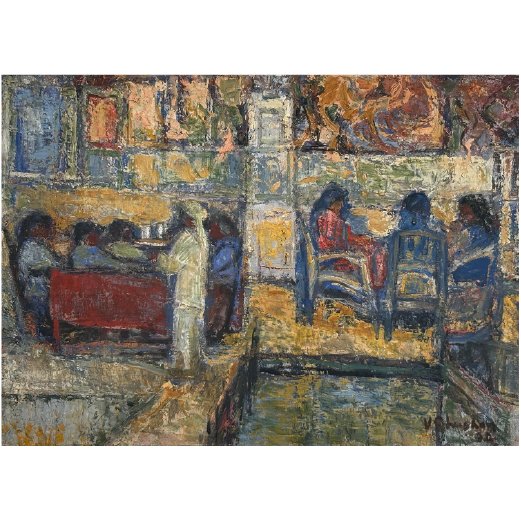
Town in YugoslaviaVidya Bhushan
Tempera on paper
1950’s
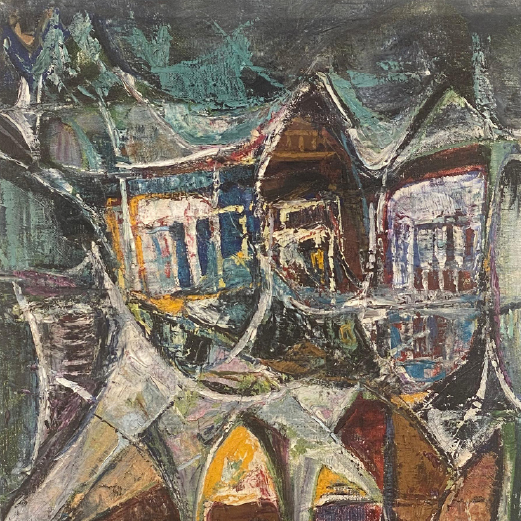
CityVidya Bhushan
Oil on canvas
?1970?
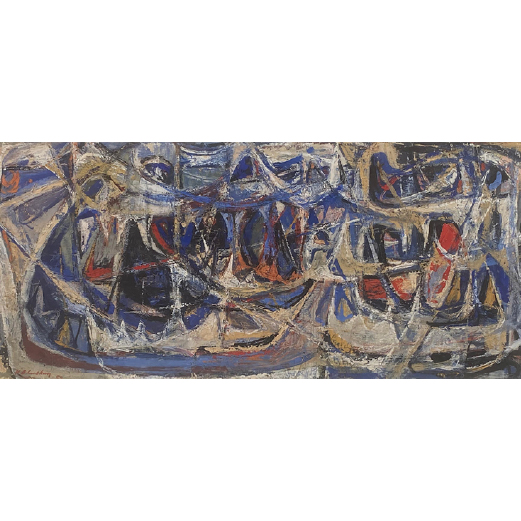
CityscapeVidya Bhushan
Egg Tempera on paper
1953
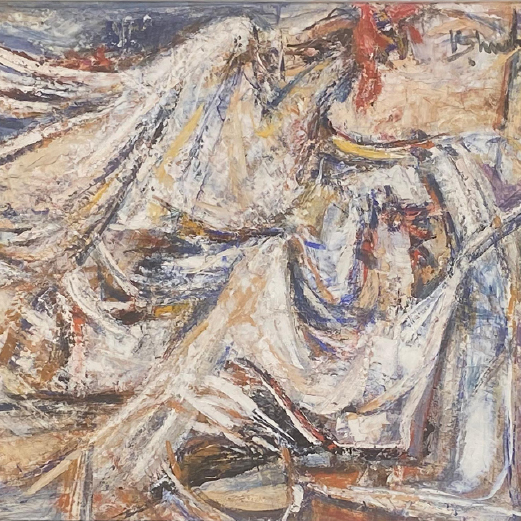
RoostersVidya Bhushan
Tempera on paper
1958
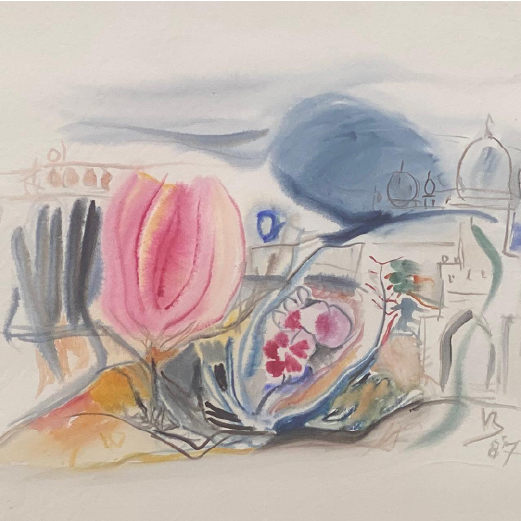
HyderabadVidya Bhushan
Watercolour on paper
1987
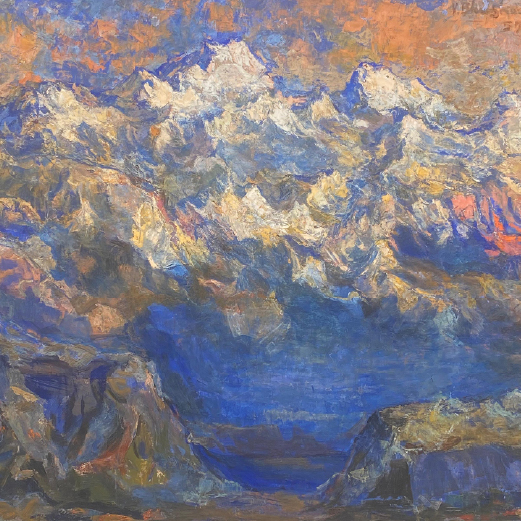
UntitledVidya Bhushan
Egg Tempera on paper
1957
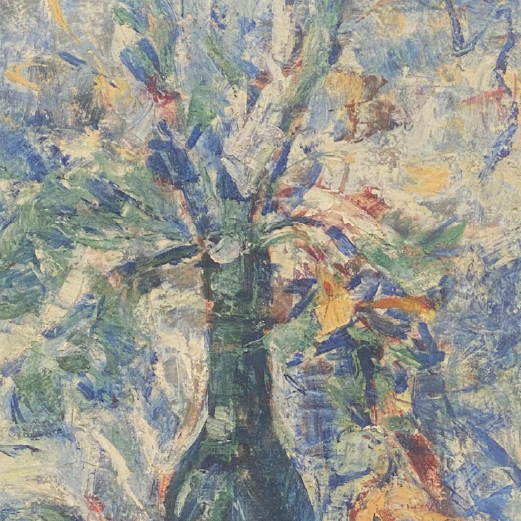
Still Life with Blue VaseVidya Bhushan
Tempera on paper
1988
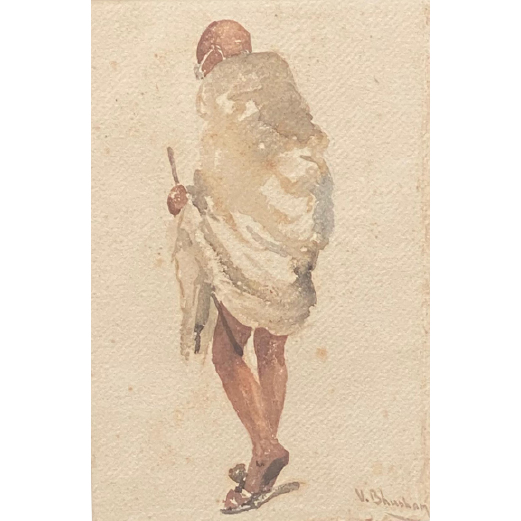
BapuVidya Bhushan
Watercolour on paper
1946
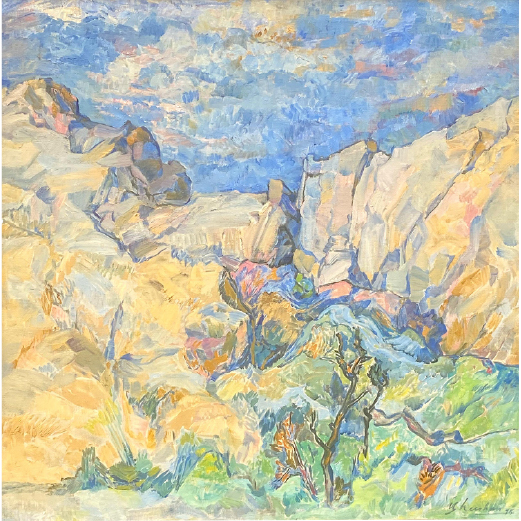
California LandscapeVidya Bhushan
Oil on canvas
1975
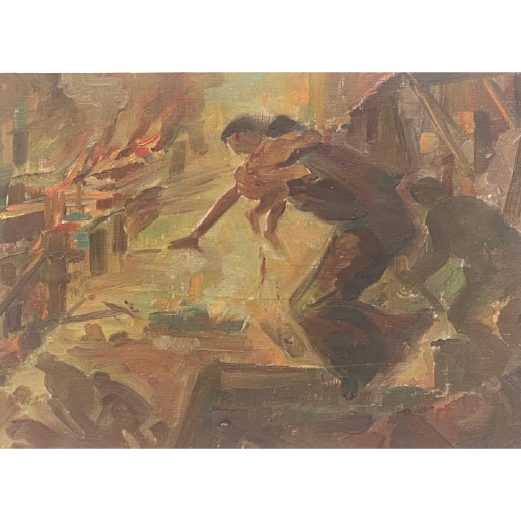
EscapeVidya Bhushan
Oil on paper
1948
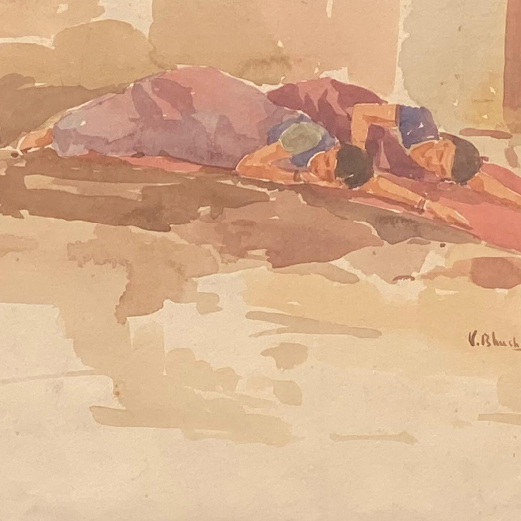
SiestaVidya Bhushan
Watercolour on paper
1947
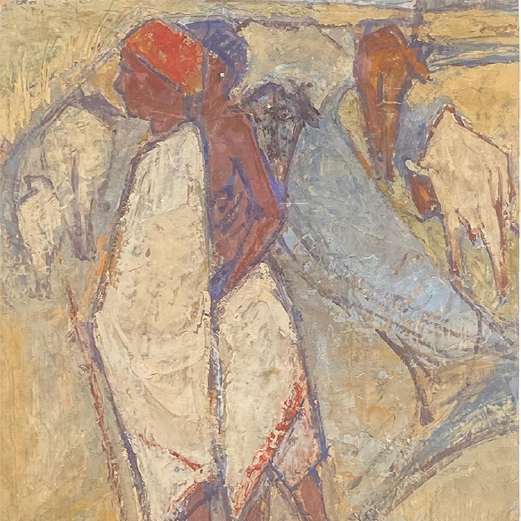
In the fieldVidya Bhushan
Tempera on paper
1950_s
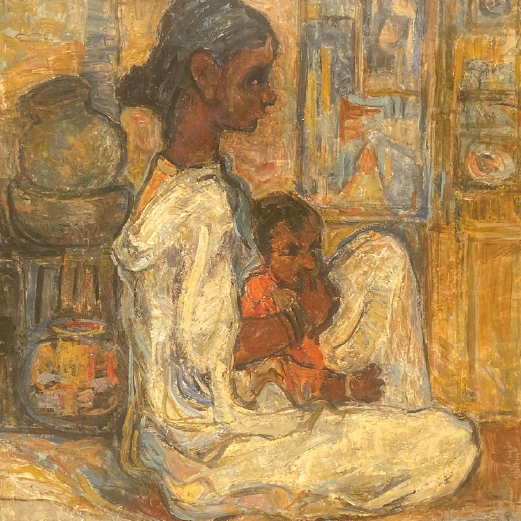
Mother & ChildVidya Bhushan
Tempera on paper backed by Fabric
1958
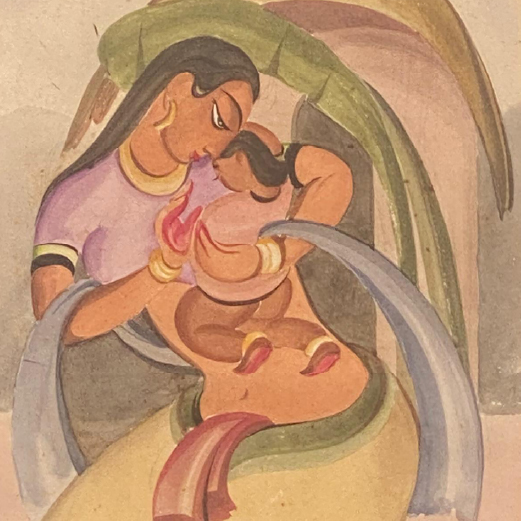
Mother and childVidya Bhushan
Watercolour on paper
1947
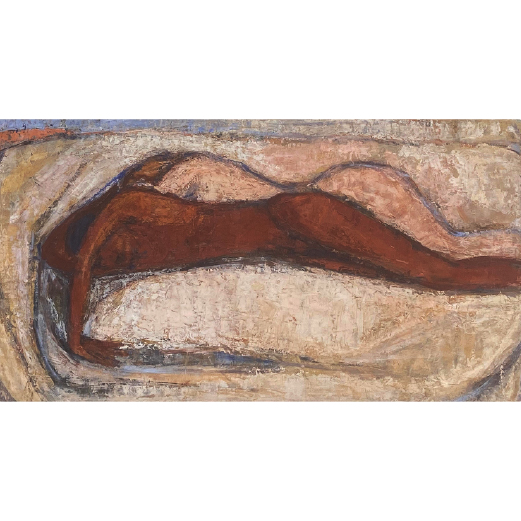
NudeVidya Bhushan
Tempera on paper?
1950’s
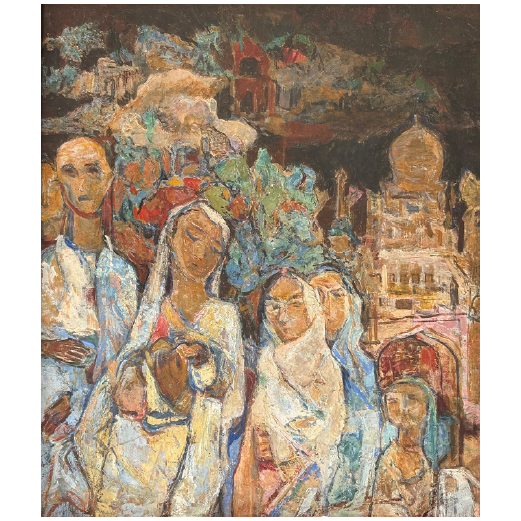
Family, HyderabadVidya Bhushan
Egg Tempera on paper
1960
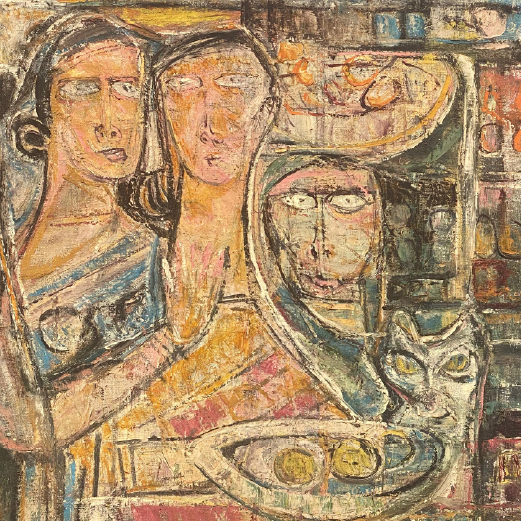
Women with CatVidya Bhushan
Tempera on canvas
1960s
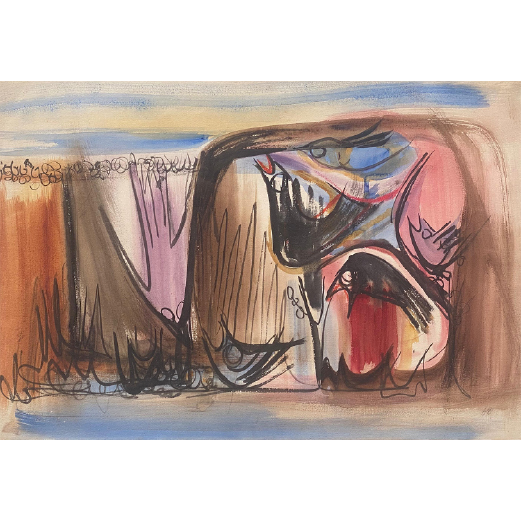
‘Birds’Vidya Bhushan
Watercolour on paper
1968
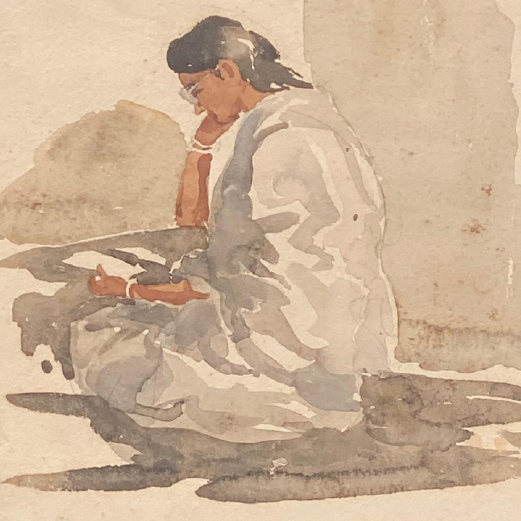
Woman with bookVidya Bhushan
Watercolour on paper
1940s
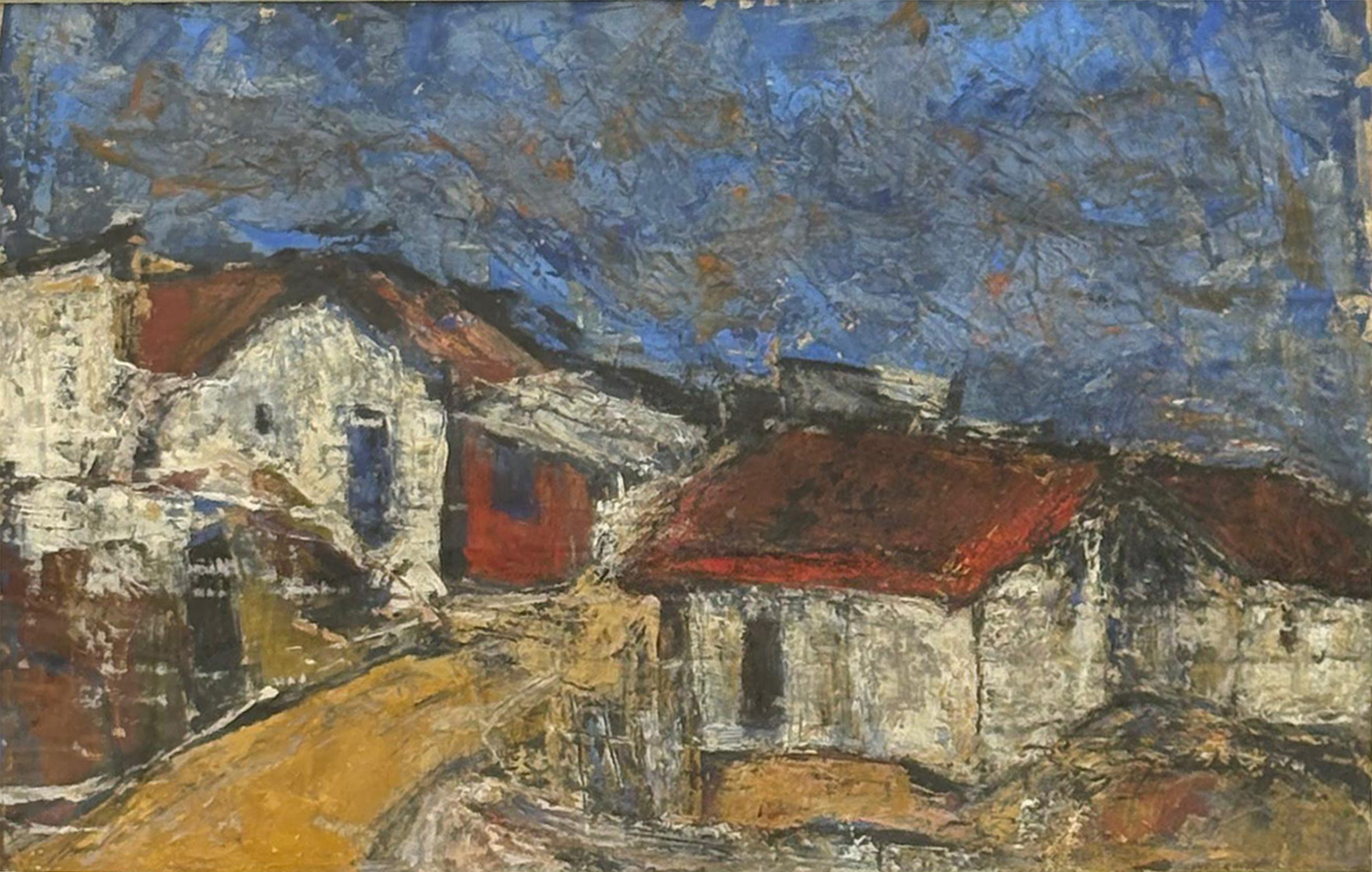
‘Town in Yugoslavia’Vidya Bhushan
Tempera on paper
1950’s
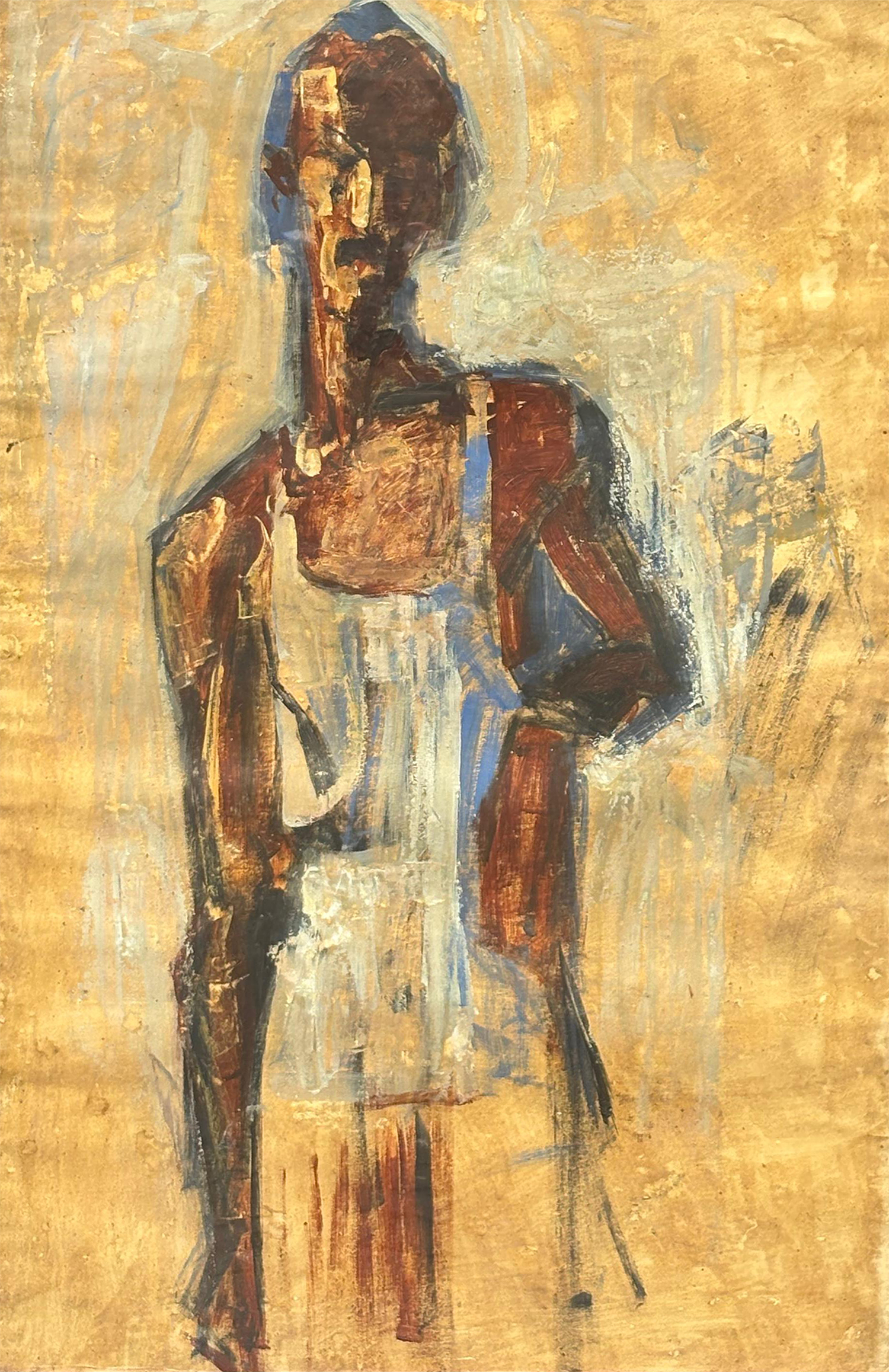
UntitledVidya Bhushan
Tempera on paper backed by fabric3
1960s
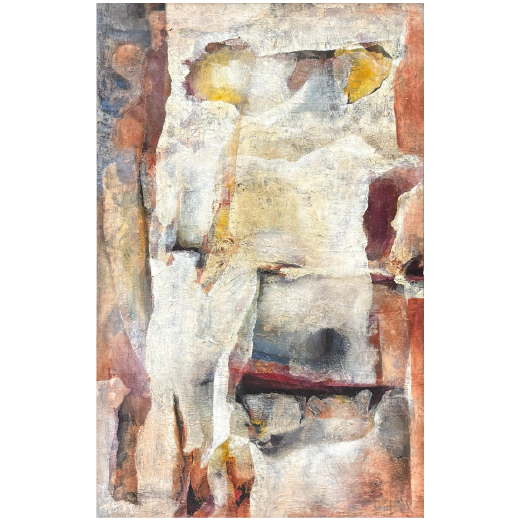
‘Untitled’Vidya Bhushan
Oil on canvas
1970s
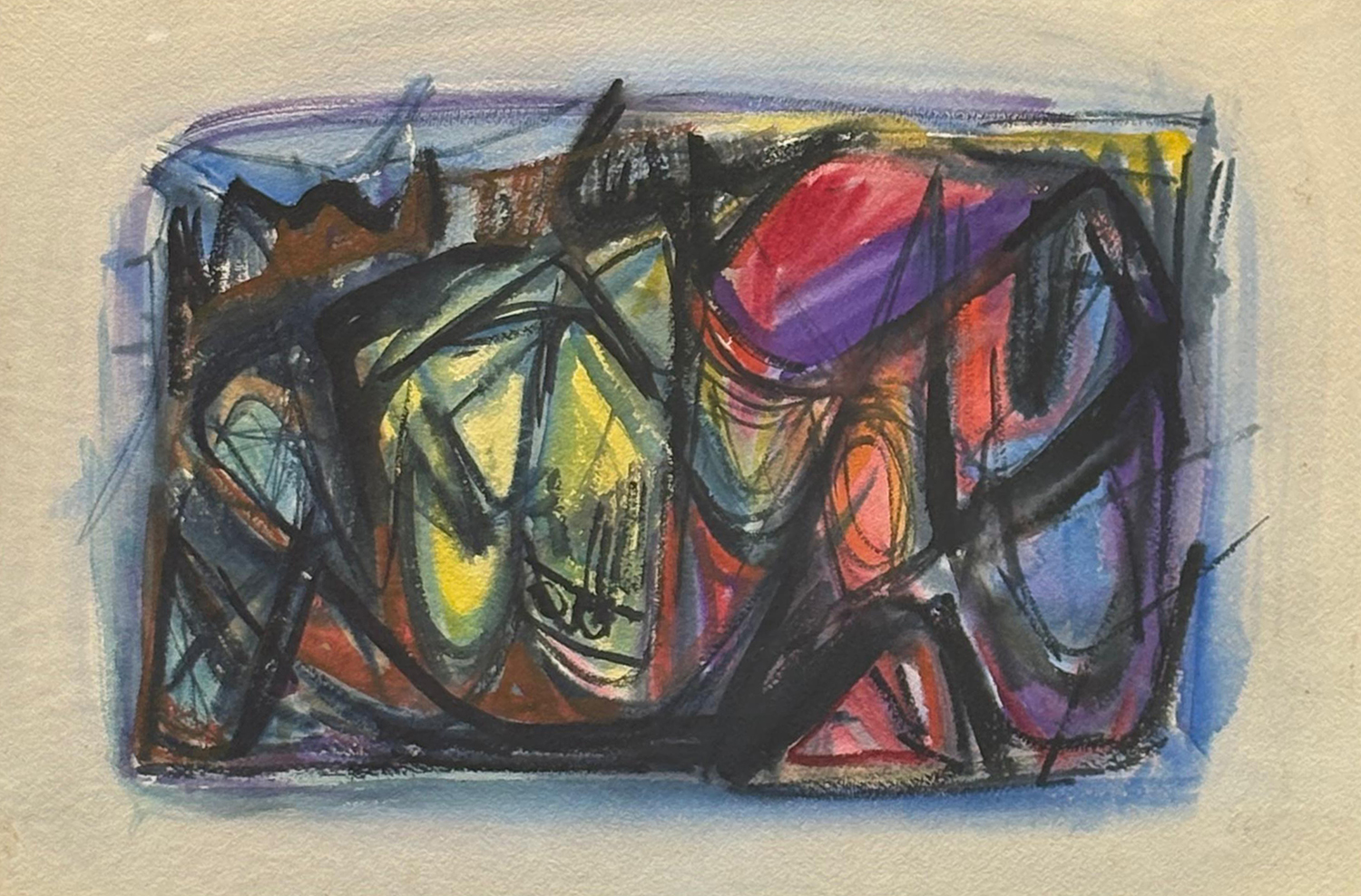
UntitledVidya Bhushan
Watercolour on paper
1966
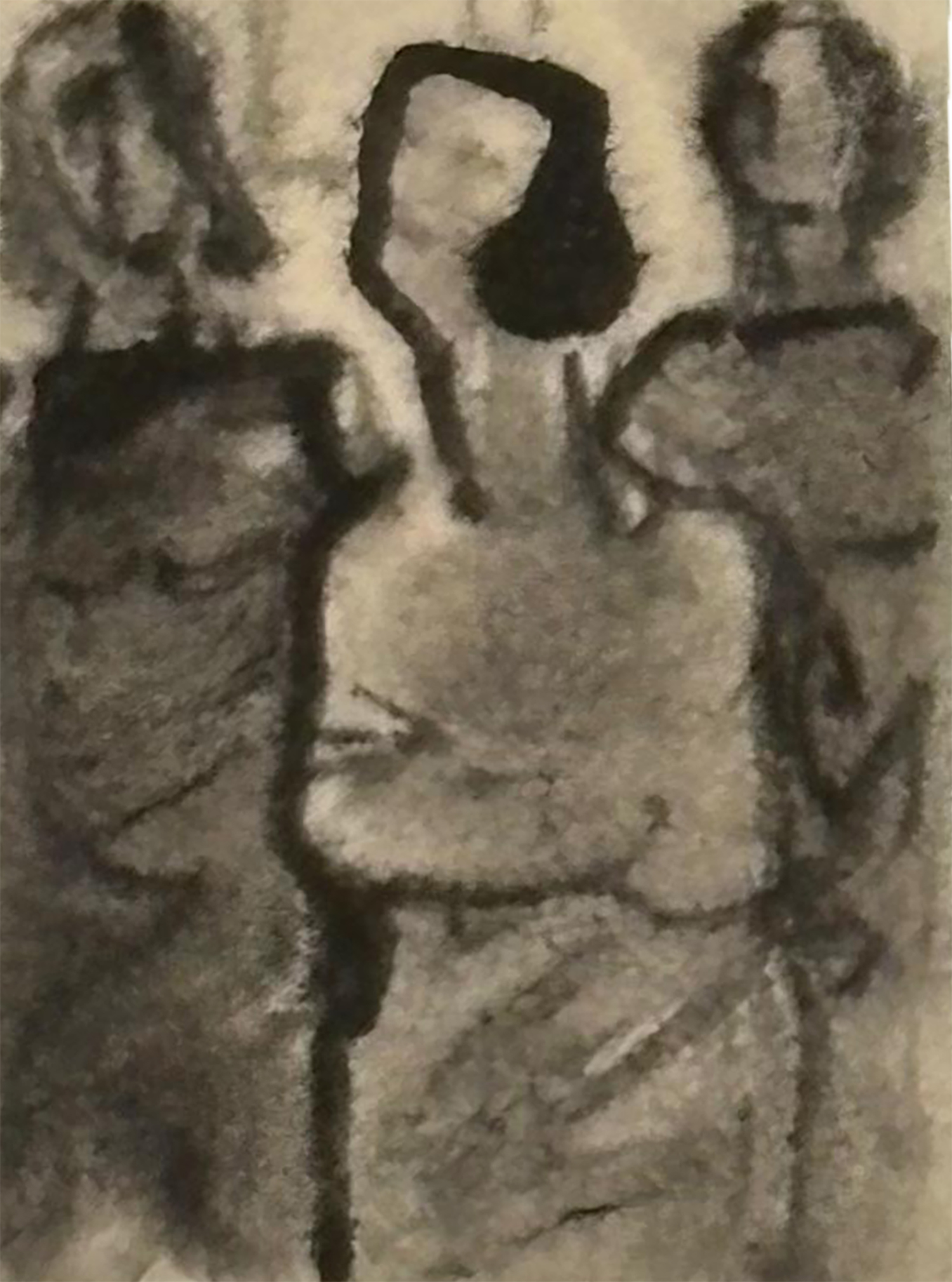
UntitledVidya Bhushan
Watercolour on paper
1995
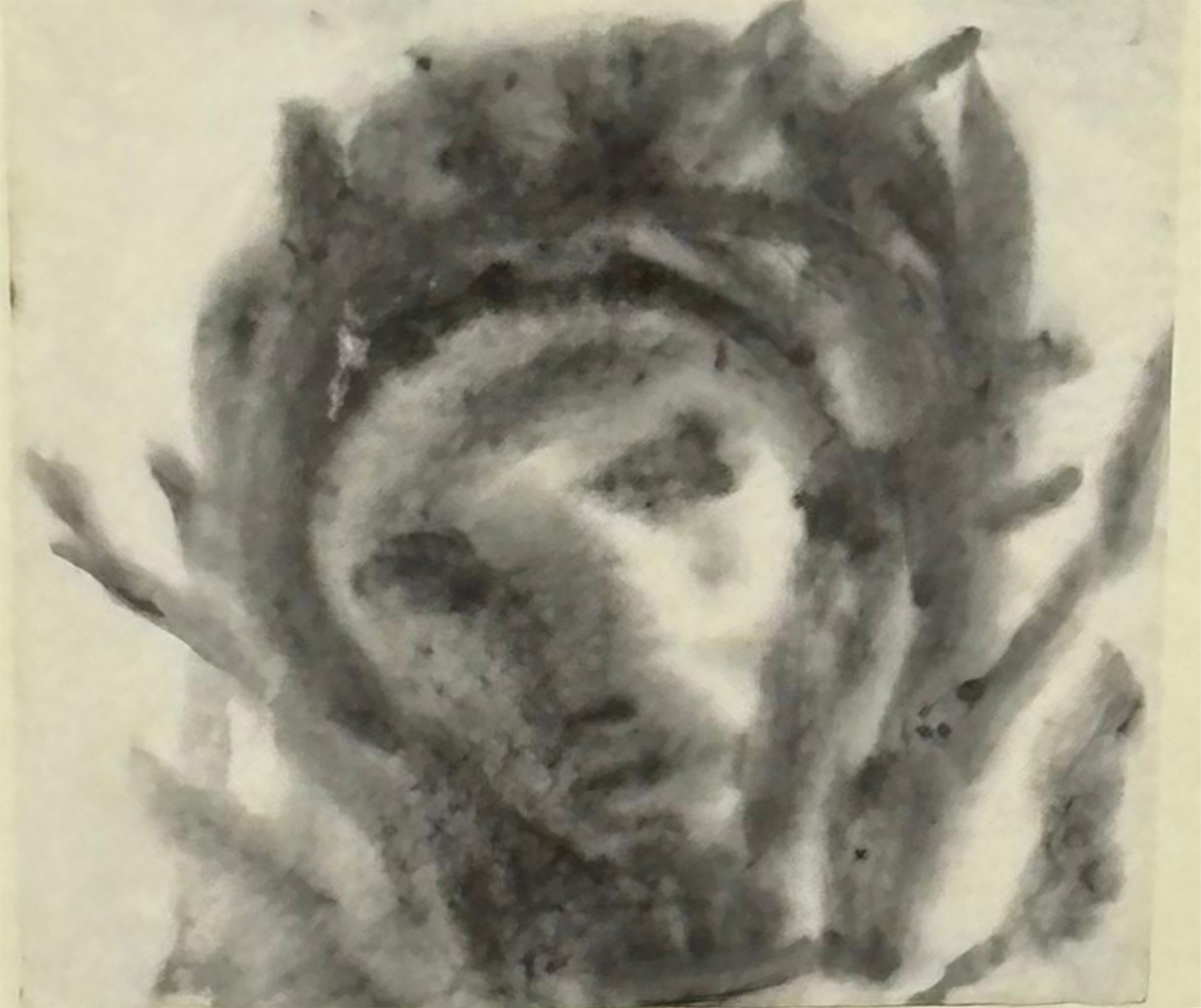
Crown of ThornsVidya Bhushan
Watercolour on paper
1994
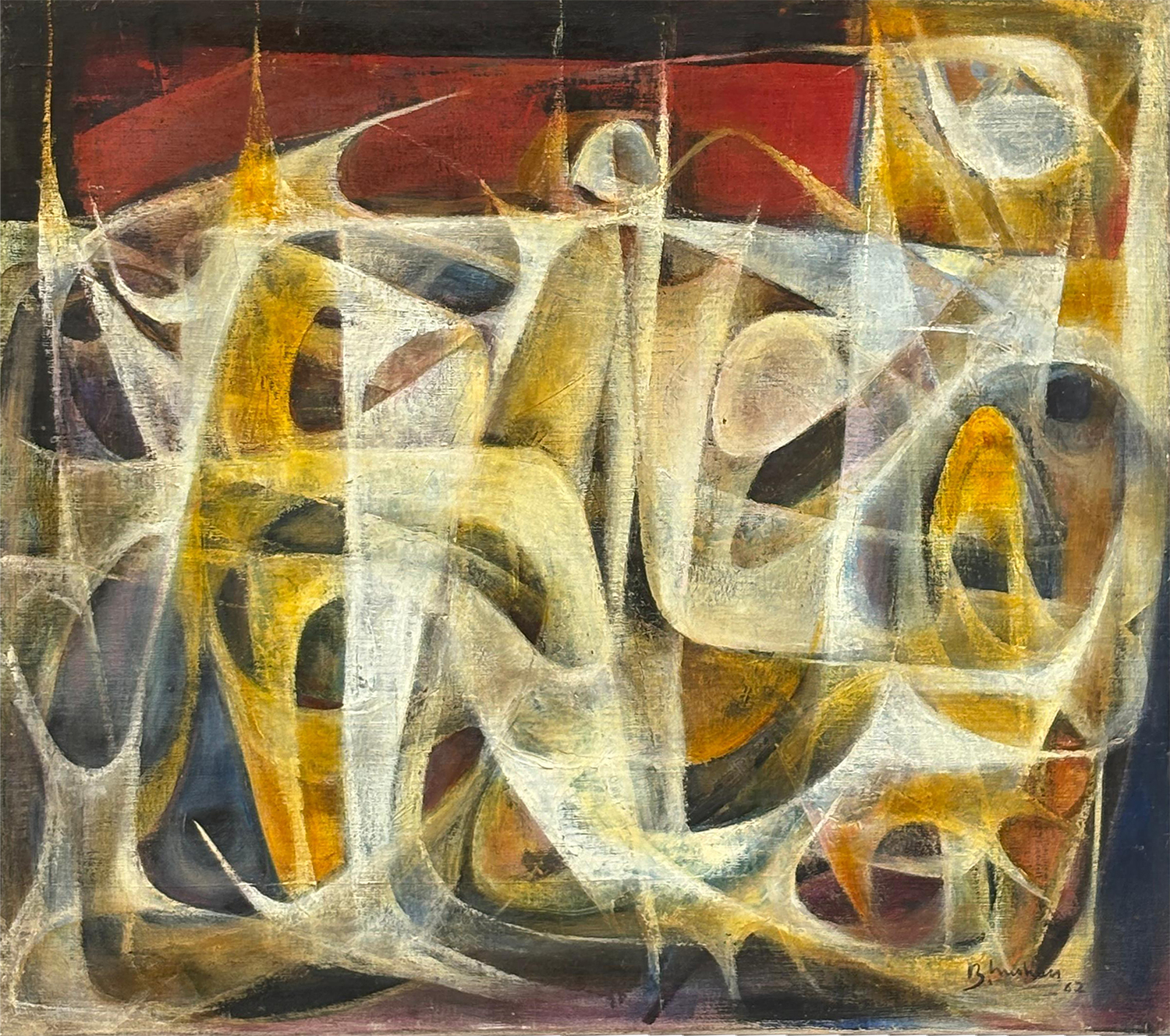
HyderabadVidya Bhushan
Oil on canvas
1962
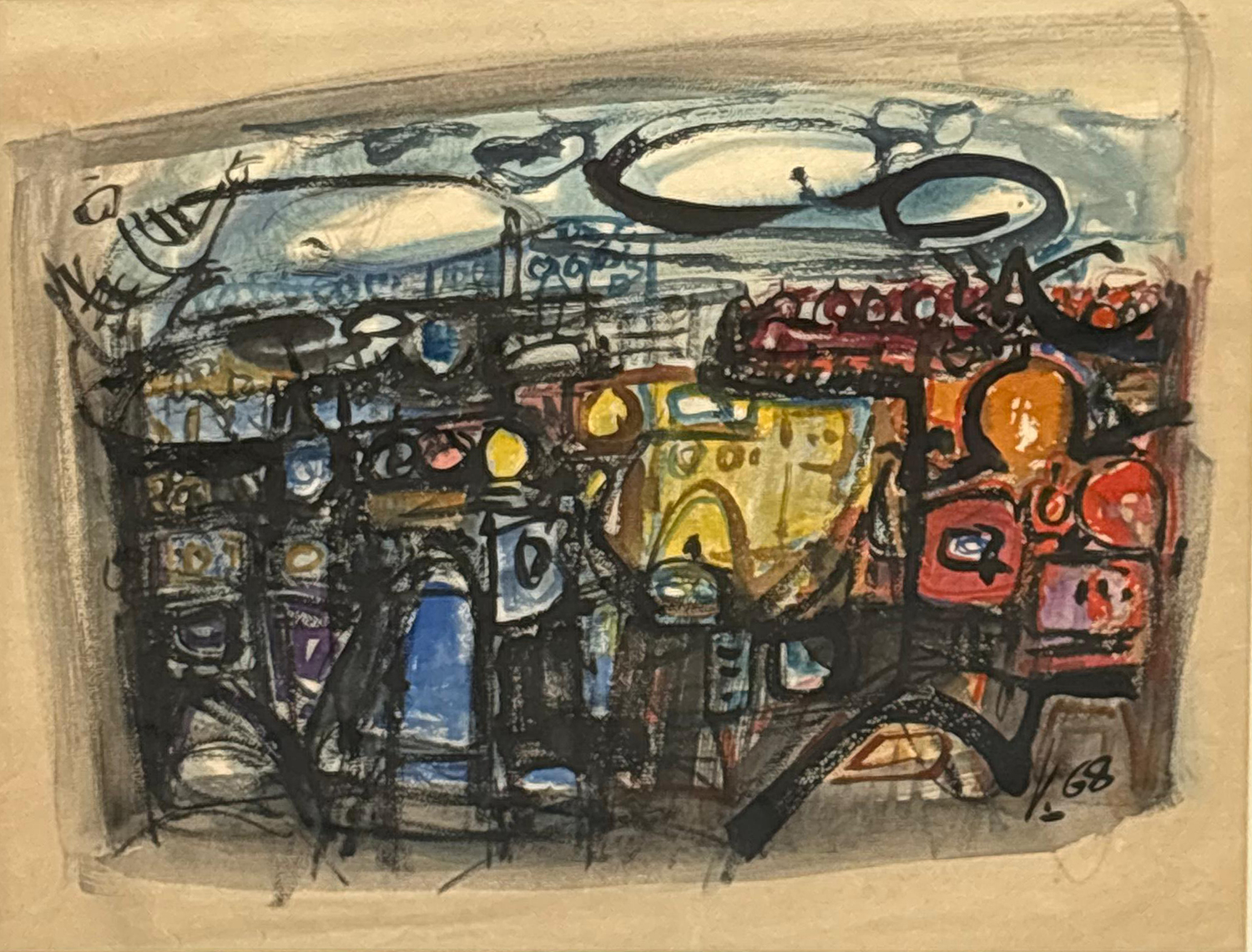
HyderabadVidya Bhushan
Watercolour on paper
1968
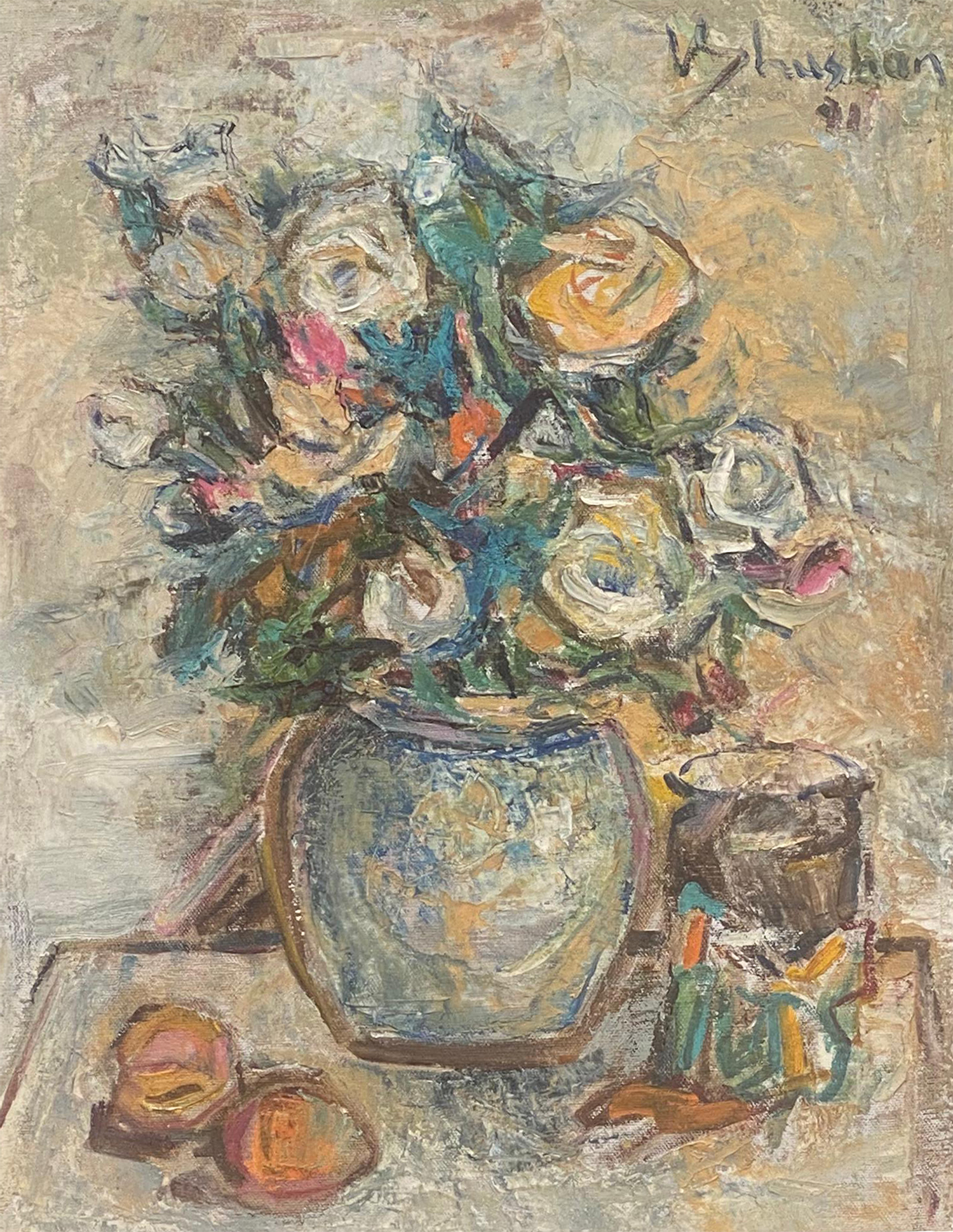
Still Life EggVidya Bhushan
Tempera on paper
1991
This show presents selected works of Vidya Bhushan (1923 -1996 ) spanning five decades of his life, twenty nine years after the artist’s demise. Born in a small village in Maharashtra, he discovered art and left behind a farming life for the capital of Bombay to undergo formal training at the JJ School of Art. The young Bhushan found a resonance in the turbulent yet impassioned mood of pre-Independent India. In art, the nationalist ideas of the Bengal School were spreading fast into the British academic training that was imparted at JJ School. Along with mastery over western academic realism, his other works of this period in the 40s are in the traditional Indian styles. Yet, even in these early works we can see an urge to break out of given structures in the way a picture plane tilts unexpectedly or the surface breaks into areas of colour. In 1954 he went to Belgrade and there he painted mostly still life, landscape and portraits but with a dramatic change in treatment. Learning the techniques of egg tempera and mosaic gave him a new understanding of form and pictorial surface. Within the genres of still life, landscape and nude/figure studies he experimented with tools and techniques, developing his specific style of layering translucent colours over and over, with broad brush and palette knife. He applied this understanding to his early commission to copy the deteriorating Ajanta Frescoes in the egg tempera medium. This hard won aesthetic he pursued through the 1970’s with an exploration into complete abstraction, returning to the figure in the 80’s and 90’s, working in watercolour and egg tempera, mediums he now used with great freedom. The generations of artists he has mentored at College of Fine Arts, Hyderabad, like Laxma Goud, Vaikuntam, Kavita Deuskar, and Devraj Dakoji to name just a few, speak of his deep influence as an artist and teacher.
This show is in memory of his late daughter Rekha Bhushan.