EPIGRAPHICA INDICA
March 11, 2022 to April 15, 2022
Gallery Sumukha
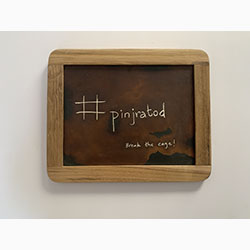
NaraPushpamala N
Etchings on copper plates
2020 - 2022
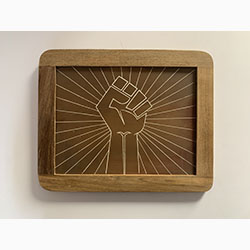
NaraPushpamala N
Etchings on copper plates
2020 - 2022
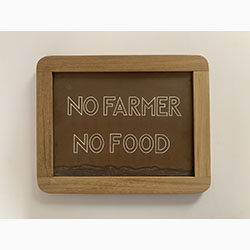
NaraPushpamala N
Etchings on copper plates
2020 - 2022
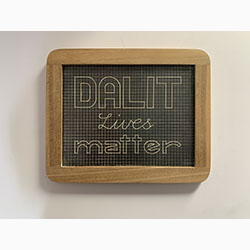
NaraPushpamala N
Etchings on copper plates
2020 - 2022
NaraPushpamala N
Etchings on copper plates
2020 - 2022
NaraPushpamala N
Etchings on copper plates
2020 - 2022
Atlas of Rare and Lost AlphabetsPushpamala N
Etchings on copper plates
2015 - 2018
Atlas of Rare and Lost AlphabetsPushpamala N
Etchings on copper plates
2015 - 2018
Atlas of Rare and Lost AlphabetsPushpamala N
Etchings on copper plates
2015 - 2018
Atlas of Rare and Lost AlphabetsPushpamala N
Etchings on copper plates
2015 - 2018
Atlas of Rare and Lost AlphabetsPushpamala N
Etchings on copper plates
2015 - 2018
Atlas of Rare and Lost AlphabetsPushpamala N
Etchings on copper plates
2015 - 2018
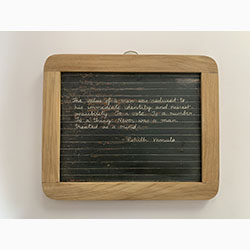
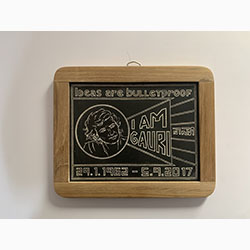
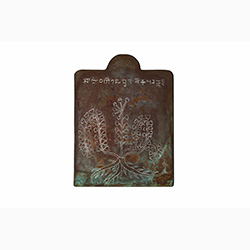
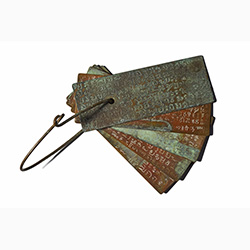
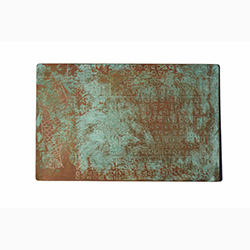
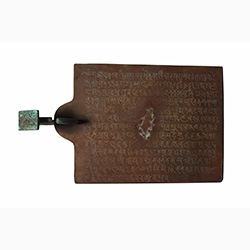
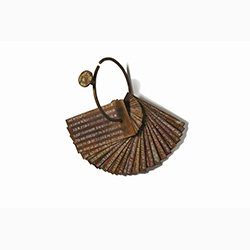
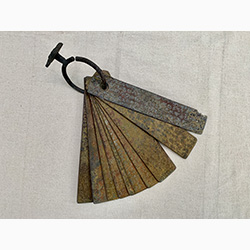
Pushpamala, well known for her conceptual practice in performance photography and video, has been making sculptures recently. She now rekindles the artisanal practice of her earlier training as a sculptor to make discursive objects using epigraphy and text, extending her interest in 19th century subjects like ethnography and anthropometry to epigraphy, or the study of inscriptions. These works archive and memorialize both past history and history in the making.\r\n Atlas of Rare and Lost Alphabets (2015-2018)\r\n The set of a hundred sculptures called Atlas of Rare and Lost Alphabets was inspired by a chance encounter with a vitrine containing ancient inscriptions incised on copper plates while on a visit to the archaeological museum in Bengaluru. These copperplate sculptures, inscribed with old scripts of the Indian sub-continent, are painstakingly handmade by the artist in her own handwriting as unique artisanal works. The tedious process of transcribing the letters becomes a performative act reminiscent of scribes painstakingly copying manuscripts in medieval libraries. They look like mysterious documents of some unknown age, marked by time. They are "hidden transcripts", a term coined by James C. Scott, which comes from anthropology and refers to secret languages of resistance and cultural preservation as veiled discourses.\r\n Nara (2020-2022)\r\n Nara (Slogans), a set of fifty works, commemorates the slogans and poems of recent popular protests in India. Words and images are etched onto copper plates, treated with patinas and framed to look like school slates. The ephemeral materials of the street are turned into contemporary inscriptions.\r\n Pushpamala N 2022