Divine Phantoms
May 25, 2018 to June 22, 2018
Gallery Sumukha
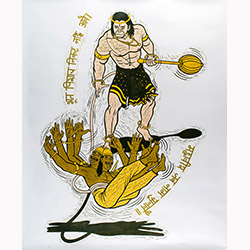
Hanuman Slaying KalanemiChampa Sharath
Woodcut
72 x 60 Inches
2017
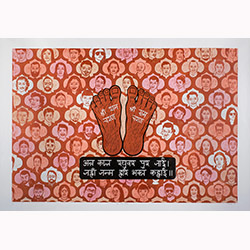
Sri Ram CharanChampa Sharath
Woodcut
84 x 60 Inches
2017
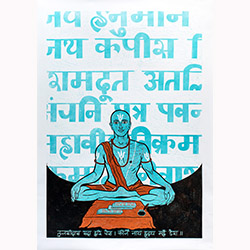
TulasidasChampa Sharath
Woodcut
84 x 60 Inches
2017
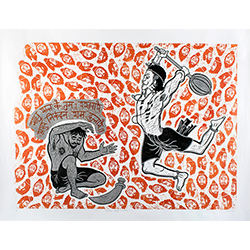
Hanuman Slays a raakshasaChampa Sharath
Woodcut print on paper
2017
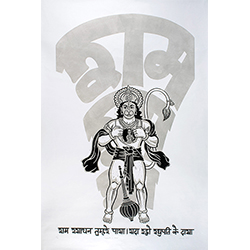
Raghupathi ke dasaChampa Sharath
Woodcut print on paper
2018
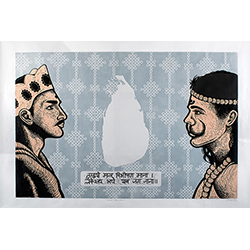
Hanuman advices VibhishanaChampa Sharath
Woodcut print on paper
2018
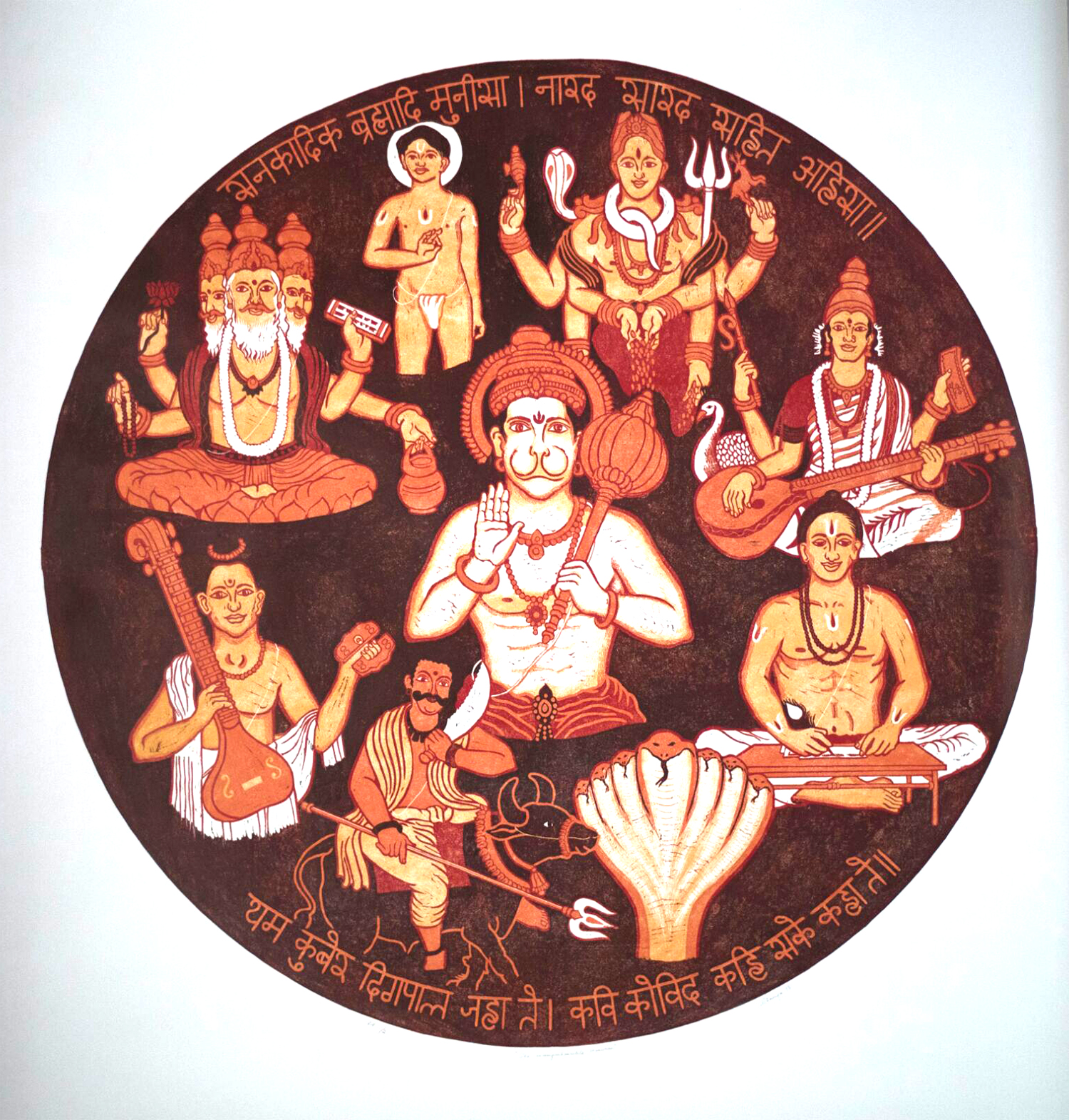
Incomprehensible HanumanChampa Sharath
Woodcut
2015
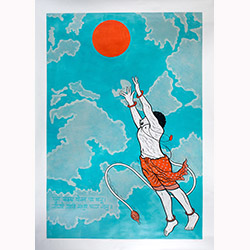
Bala Hanuman Tries to eat the sunChampa Sharath
Woodcut print on paper
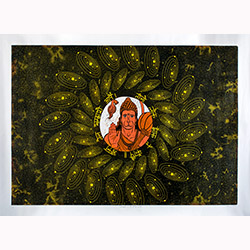
Strongest in the three worldsChampa Sharath
Woodcut print on paper
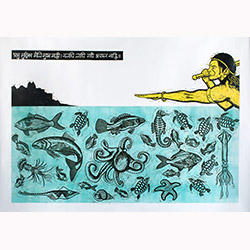
Hanuman fies to Lanka with Rama's RingChampa Sharath
Woodcut print on paper
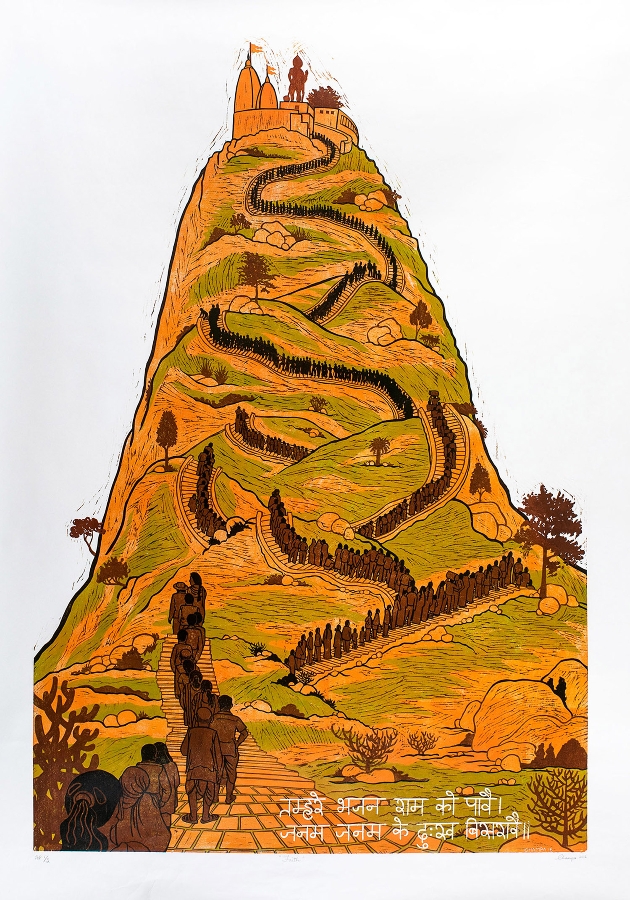
Faith (.)Champa Sharath
Woodcut print on print
. Inches
.
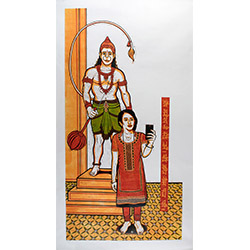
Selfie with the almightyChampa Sharath
Woodcut print on paper
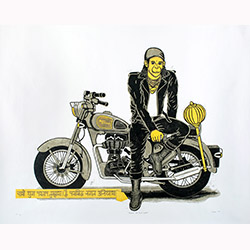
Hanuman with Royal EnfieldChampa Sharath
Woodcut print on paper
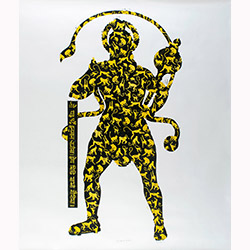
The God of MonkeysChampa Sharath
woodcut print on paper
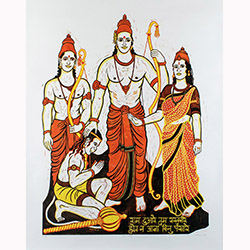
Ram DurbarChampa Sharath
Woodcut print on print
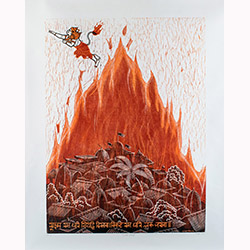
Lanka BurningChampa Sharath
Woodcut print on paper
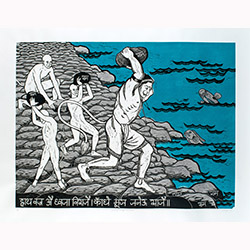
Burning bridge to LankaChampa Sharath
Woodcut print on paper
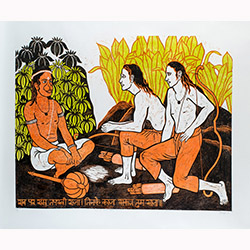
Rama & Laxmana talking to HanumanChampa Sharath
Woodcut print on paper
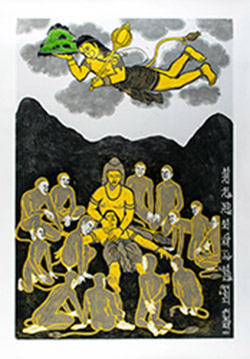
Hanuman Getting Gandhamadhana ParvataChampa Sharath
Woodcut print on paper
‘Divine Phantoms’ Solo show of woodcut prints by Champa Sharath
‘Divine Phantoms’ marks Champa Sharath’s return with a subject that has preoccupied her for more than decade. Having visualised 20 verses from the sacred compilation Hanuman Chalisa earlier, she applies a renewed understanding and expanded visual language to the remaining 20 dohas in the current series. Champa’s approach has been one of research and personal interpretation of the philosophical texts that extol Hanuman’s heroism and goodness, through encounters with his substantial role in the narrative epic Ramayana. With a sensitive paradigm shift from the past, she embraces an eclectic language in her representations this time round – getting under the skin of the popular mythological figure and challenging the verses to contemplate contemporary experience. Reflecting the artist’s long-term engagement with the woodcut medium, the series of work is significant for its fluid linear quality that defies its creation through a reverse-relief process. Formally, she has exploited the content’s potential for visual representation by experimenting diversely with scale, composition, colour and pattern. Champa portrays Hanuman through a multi-layered lens – investigating his persona physically, metaphorically, and at times through partial abstraction. In the Indian context, the parallel realities of tradition and modernity coexist – this simultaneity and (occasional) absurdity interests her; she questions the relevance of faith in the today’s world, using artistic freedom to redefine stereotypical depictions and retelling mythology with a degree of playfulness.
Champa has been able to refine her practice steadily to produce a seemingly effortless printmaking process – however, with the Hanuman Chalisa, it has been a challenging journey, often one of questioning personal and collective perceptions and aligning it with aesthetics. ‘Divine Phantoms’ establishes narratives that identify with her past, where she recalls listening to the words of the Chalisa often, and her present, in which she is evaluating the spiritual subject as an artist.
The Hanuman Chalisa is a piece of sacred literature composed by the great poet and philosopher Tulsidas (1511-1623).
Lina Vincent, art historian-curator, 2018