Avega~The Passion
August 08, 2014 to September 12, 2014
Gallery Sumukha
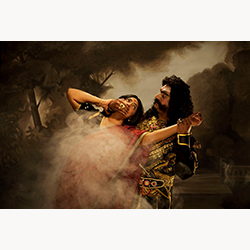
Abduction/ The MistPushpamala N
Staged Photograph, Giclee Print
2012
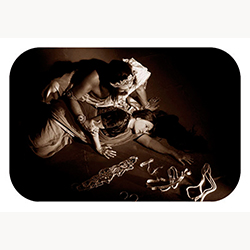
Intrigue/ The Anger RoomPushpamala N
Staged Photograph, Giclee Print
2012
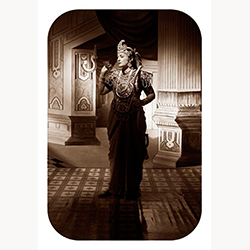
Intrigue / War (18896)Pushpamala N
Staged Photograph, Giclee Print
48 x 32 Inches
2012
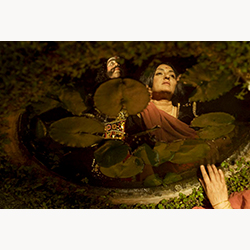
Abduction/The PondPushpamala N
Staged Photograph, Giclee Print
2012
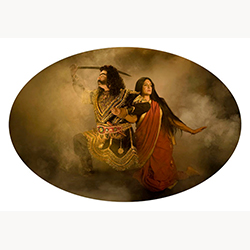
Abduction/ The FlightPushpamala N
Staged Photograph, Giclee Print
2012
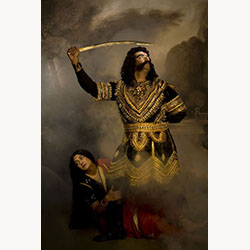
Abduction/ The Battle on the groundPushpamala N
Staged Photograph, Giclee Print
2012
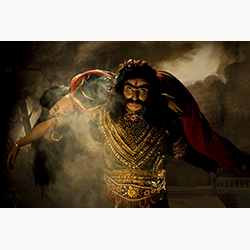
Abduction/ RavishmentPushpamala N
Staged Photograph, Giclee Print
2012
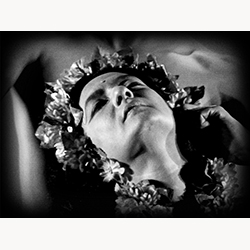
Indrajaala/ SeductionPushpamala N
HD Video: Black and White; Silent
2012
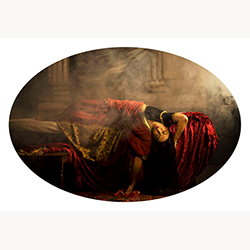
Abduction/ Nightmare (Odalisque)Pushpamala N
Staged Photograph, Giclee Print
2012
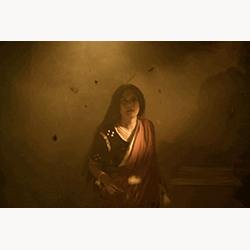
Mrugayati/ The HuntPushpamala N
Stop Motion Video loop Colour with sound (standard definition video)
2012
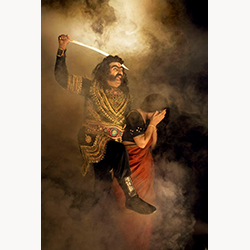
Abduction/ The Cloud BattlePushpamala N
Staged Photograph, Giclee Print
60” x 40”
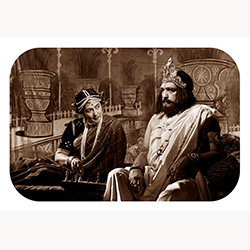
Intrigue / The Chess GamePushpamala N
Staged Photograph, Giclee Print
2012
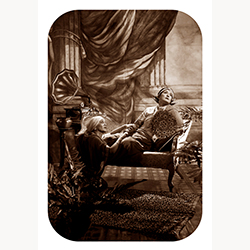
Intrigue/ The AnguishPushpamala N
Staged Photograph, Giclee Print
2012
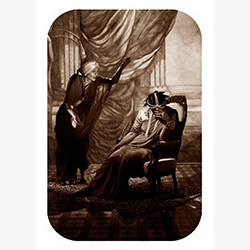
Intrigue/ The BetrayalPushpamala N
Staged Photograph, Giclee Print
48” x 32”
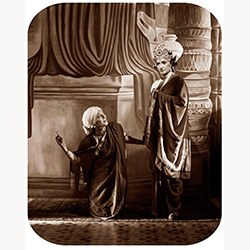
Intrigue/ The Palace (18405)Pushpamala N
Staged Photograph, Giclee Print
48 x 32 Inches
2012
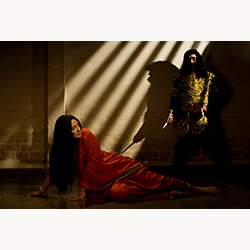
Abduction / CaptivePushpamala N
Staged Photograph, Giclee Print
2012
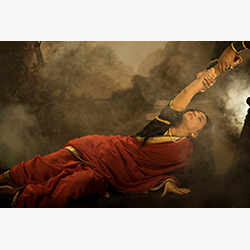
Abduction/ The ForestPushpamala N
Staged Photograph, Giclee Print
2012
#Avega~The Passion
The Passion explores the characters of three women from the epic Ramayana as archetypal figures. Set in fantasy environments, fateful incidents from the epic are played out on a spectacular stage with fog machines, elaborate painted sets, costume and lighting to create powerful atmospheres. Pushpamala plays with various genres of image-making in her works, resulting in richly layered hybrids with multiple references. Many of the works in the exhibition refer to theatre stills from the early twentieth century, while others use early cinema as their models. The artist is always the central protagonist in these dramas and the works function as documents of performances, as critiques of representational constructions, and as oblique self-portraits. The Ramayana, seen as the national epic, is the story of the good warrior king/ hero/ god Rama who is banished from his kingdom to the deep forest due to the machinations of his stepmother Kaikeyi, who wants her own son to be king. Rama’s wife Sita and brother Lakshmana follow him into exile. Towards the end of the fourteen year exile, the form- changing demoness Surpanakha, the guardian of the forest, is attracted to the two young princes and tries to seduce them by taking human form. The brothers mock her, and as she plunges to attack Sita she is punished by Lakshmana who cuts off her nose and ears. The wounded Surpanakha then goes to her brother, the powerful demon king Ravana and incites him to abduct the princess Sita in revenge. This leads to a Great War where Rama kills Ravana and defeats the demon army, fulfilling his destiny as the god-king. Chala / Intrigue Chala is a set of photographs based on the incident where the old hunch-backed wet nurse of the Warrior Queen Kaikeyi, stepmother to Rama, plays upon her insecurities to ask for Rama’s banishment to the forest before his coronation in order to crown her own son the king. The palace intrigues are portrayed by creating elaborate tableaux which are reminiscent of early twentieth century “Company” theatre. Indrajaala / Seduction Indrajaala is a video based on the punishment of Surpanakha by cutting off her nose and ears by the prince Lakshmana, using the style of early ethnographic cinema and animation, which the artist sees as the ‘primitive’ of the modern era. Apaharana / Abduction Apaharana is a set of photographs based on the abduction of princess Sita by the demon Ravana. The act of the abduction of a woman which is a central theme in many of the world’s mythologies, is stretched out in many frames using Orientalist images of the odalisque. The pictures take references from Western oil painting and a dark Symbolist imagery via their use in Hollywood films, Ravi Varma paintings, popular illustrations and calendar paintings. Mrugayati / The Hunt A video created from still images of the demon chasing the princess, it is like a fragment from a recurring dream or nightmare. Pushpamala N. (born 1956 in Bangalore) lives and works in Bangalore. She earned BA and MA degrees in Sculpture from the Faculty of Fine Arts, M.S. University, Baroda after studying Economics, English and Psychology at Bangalore University. She had her first solo show in 1983 in Bangalore and since then has had solo exhibitions in galleries in Bangalore, Mumbai, Delhi, Kolkata, Paris, New York and Chicago and in museum shows and biennales such as the Johannesburg Biennale and Prospect 3 New Orleans; Asia Society and Newark Museum USA, Museo Tamayo Mexico, Tate Modern London, Centre Pompidou Paris, Museum Abteiberg Germany, Maxxi Museum Rome, Mori Museum Tokyo, National Portrait Gallery Canberra, National Gallery of Modern Art and Devi Art Foundation Delhi. Gallery Sumukha is open Monday through Saturday, from 10.30 am to 6 pm and closed on Sundays